
The shortlist forms before the call
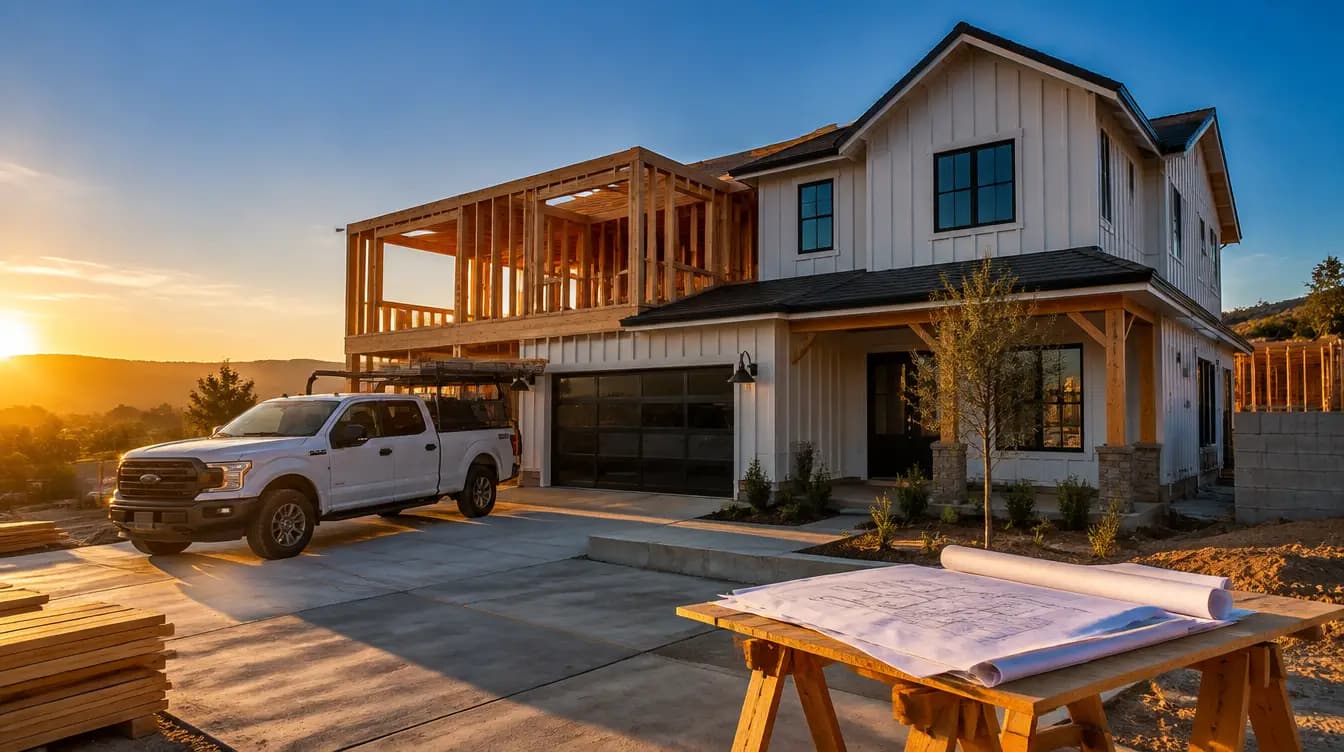
Buyers save floor plans, drive past lots, and talk to lenders for months before contacting a builder. The builders they’ve been watching that whole time get the first meetings.

A custom home buyer spends months looking at land, floor plans, and lenders before calling anyone. We put your finished homes in front of them during those months, and check land, budget, and financing before your first meeting.
Buyers save floor plans, drive past lots, and talk to lenders for months before contacting a builder. The builders they’ve been watching that whole time get the first meetings.
Some inquiries own a lot. Some are shopping for one. Some haven’t started looking. Only the first group is ready to design, and each needs a different conversation.
A construction loan usually needs plans, a budget, and an approved builder before it closes. Buyers who haven’t talked to a lender are further out than they sound.
Buyers hold your price per square foot up against a production builder’s. They don’t see the site work, structure, and finish choices that separate the two.
Four parts. Each one multiplies the others. Here’s where they break in your trade, and what we install.
Glossy exterior photos with nobody in them, so every builder’s ads look interchangeable.
Video walkthroughs of homes you’ve built, with the owners saying why they chose you, plus footage of you on active sites, run to buyers in the areas where you build.
“Let’s talk about your dream home,” which books a two-hour meeting with someone who has no lot and no lender.
A page that lays out your paths, design-build or building from the client’s plans, with a budget estimator by size and finish level and a plain sequence of land, design, financing, and build.
First meetings go to whoever fills out the form first, and ready buyers wait behind browsers.
Questions on land, plans, budget, and lender status before booking, then reminders and check-ins at each milestone: lot closed, design started, loan approved.
A buyer clicks an ad in spring, signs well over a year later, and the contract gets credited to word of mouth.
Tracking that holds the original ad through every touch until the contract is signed, so the report shows which campaigns built homes and which only filled meetings.
A full walkthrough of a finished home with the people who live in it, talking about what they asked for and what building with you was like.
Lay out building on land the buyer already owns next to buying one of your lots, so each buyer sees the path that fits them.
Film the foundation, structure, and details that get covered up, so buyers see what a custom price pays for that a tract home doesn’t.
Land, design, lender, permits, build, explained in the order buyers actually face them, so they know what to bring to the first meeting.
So the homeowner on your calendar already fits your jobs, your area, and your price range.
Example numbers for a custom home building business. Change them to yours.
Each lead is worth (revenue): $42,500
$850,000 project, 15% margin, 20% of leads booked, 25% of estimates closed.
See what we’d build for these numbersStarts with example numbers. Change them to yours. Arithmetic only, not a promise of results.
Yes, when they’re judged on the right timeline. The ads start the relationship, follow-up keeps you in front of the buyer through land and financing, and tracking credits the signed contract back to the campaign that first reached the buyer, even many months later.
Yes, as a separate campaign. Spec buyers want a move-in date, not a design process, so that offer runs on separate creative and its own page. If an agent lists the home, inquiries go wherever you and the agent agree.
General terms only: what a construction loan covers and why buyers should talk to a lender early. We don’t quote rates or terms. If you have lenders you refer clients to, the page can say so.
The questions flag them. If you sell lots or help clients find land, that’s a path on the page. If you only build on owned lots, they get follow-up until they close on land, and your meetings stay with buyers who can design now.
Seven questions. Two minutes. See the one part of your engine holding your projects back.
Show me where I’m losing jobsFree 2-minute assessment · No pitch, no obligationAvg response time 2.5 minutes